
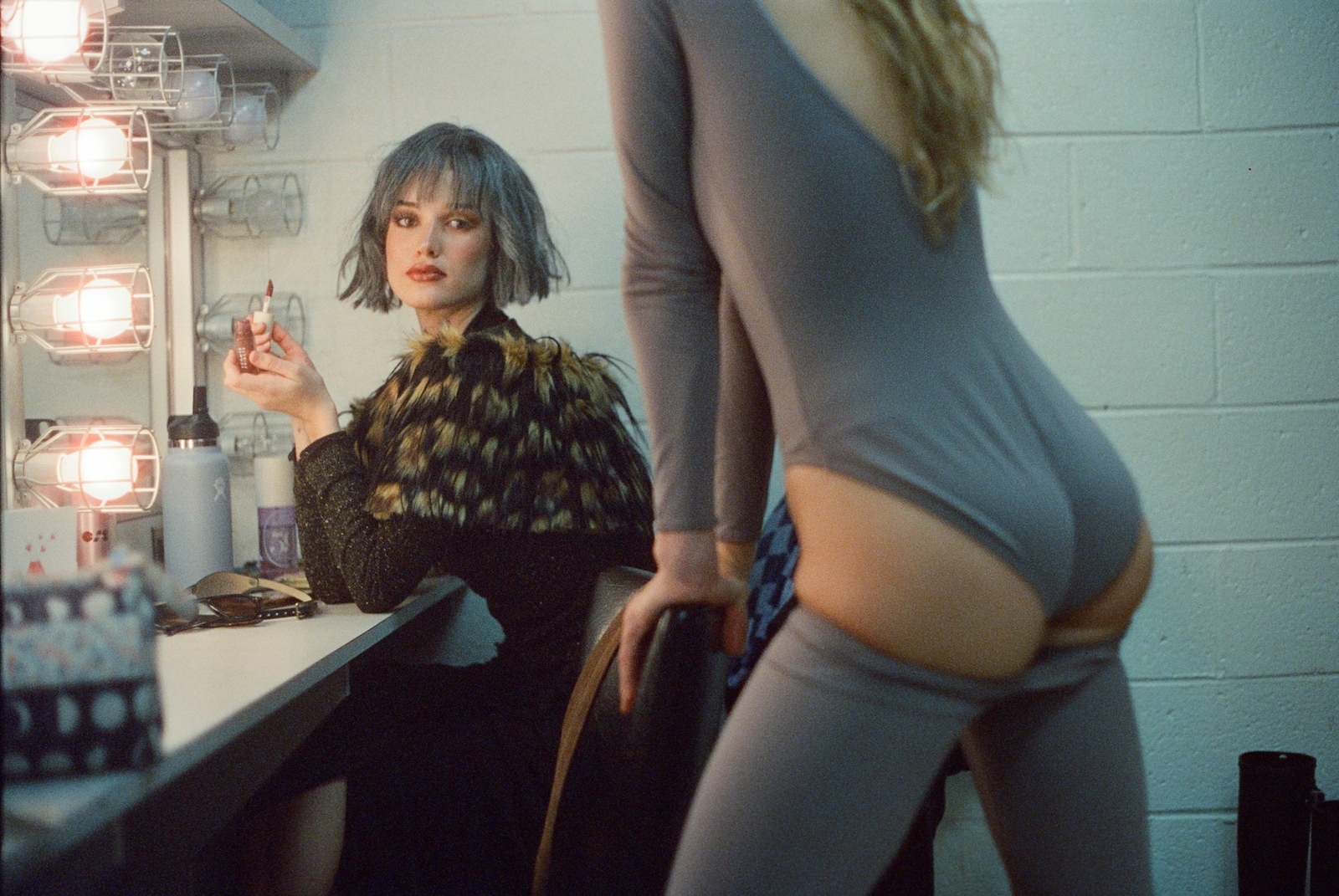
Ballet dancer Cassandra Trenary has been drawn to cameras since playing with her father’s camcorder as a child, growing up in Lawrenceville, Georgia. But it wasn’t until she was given a Nikon F from 1959 in 2017, while working as a professional ballerina with American Ballet Theatre in New York, that her love for taking pictures was truly ignited. Now, after 15 years with the company – five as principal – and preparing to move to Vienna, she reflects on the body of work she created in “sacred moments” of downtime backstage, debuts, promotions and final performances – “a chapter in all of our lives that I think we will look back on and be very grateful to have”.
Being a dancer with ABT over such a tenure afforded Trenary trust with her subjects and a deep knowledge of ballet that no external professional photographer – no matter how skilled – could replicate. “I’m so incredibly grateful that my colleagues and my friends have this trust in me,” she says “We know each other so well. These are the people that I love and they know that I love them.”
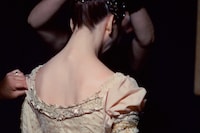
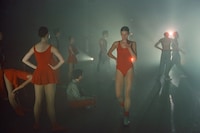

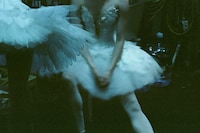

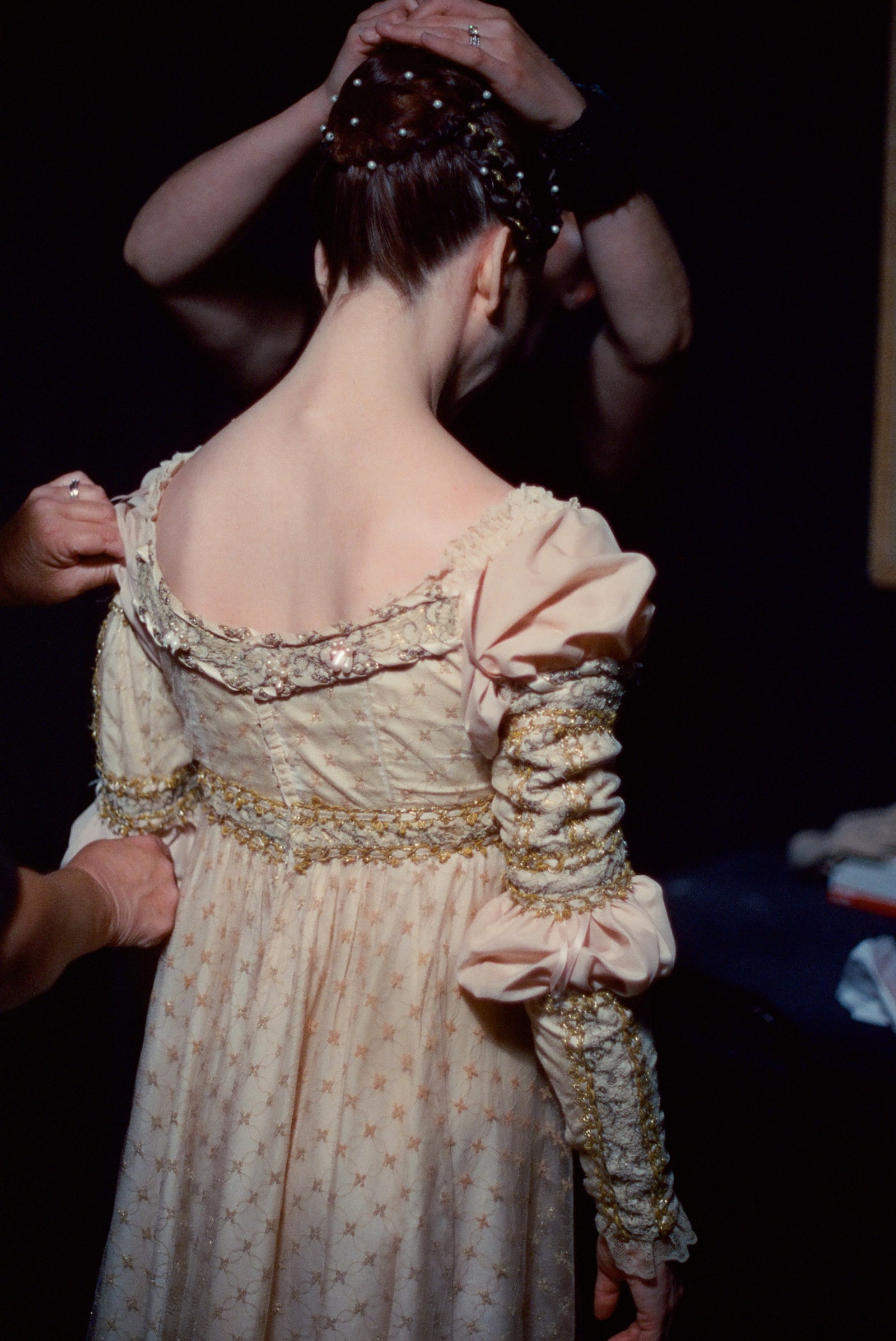
This implicit trust has earned her a vantage point in the quick-change booth, where some of her favourite images were taken. “To me, [photographing backstage in the quick-change booth] feels like a privilege that someone will allow me to be in there while that’s happening.” In this intimate space, dancers attempt to get into the mindset of their character while they give their bodies over to the hands that rush in to change their costumes.
“ABT is known for their narrative ballets,” explains Trenary, “so I can speak from my personal experience. When I’m on stage, I’m just completely immersed. Juliet is a really good example because there’s one very intense quick change from the ballroom scene into the balcony pas de deux, which is the famous duet between Romeo and Juliet. You come off stage, and you’re trying to remember what time period you’re in, how old you are, the experience you just had. And then before you know it, you’re back on stage, and you’re in a completely different costume. And then it’s supposed to be nighttime, and you’re supposed to feel the dew on your skin.”

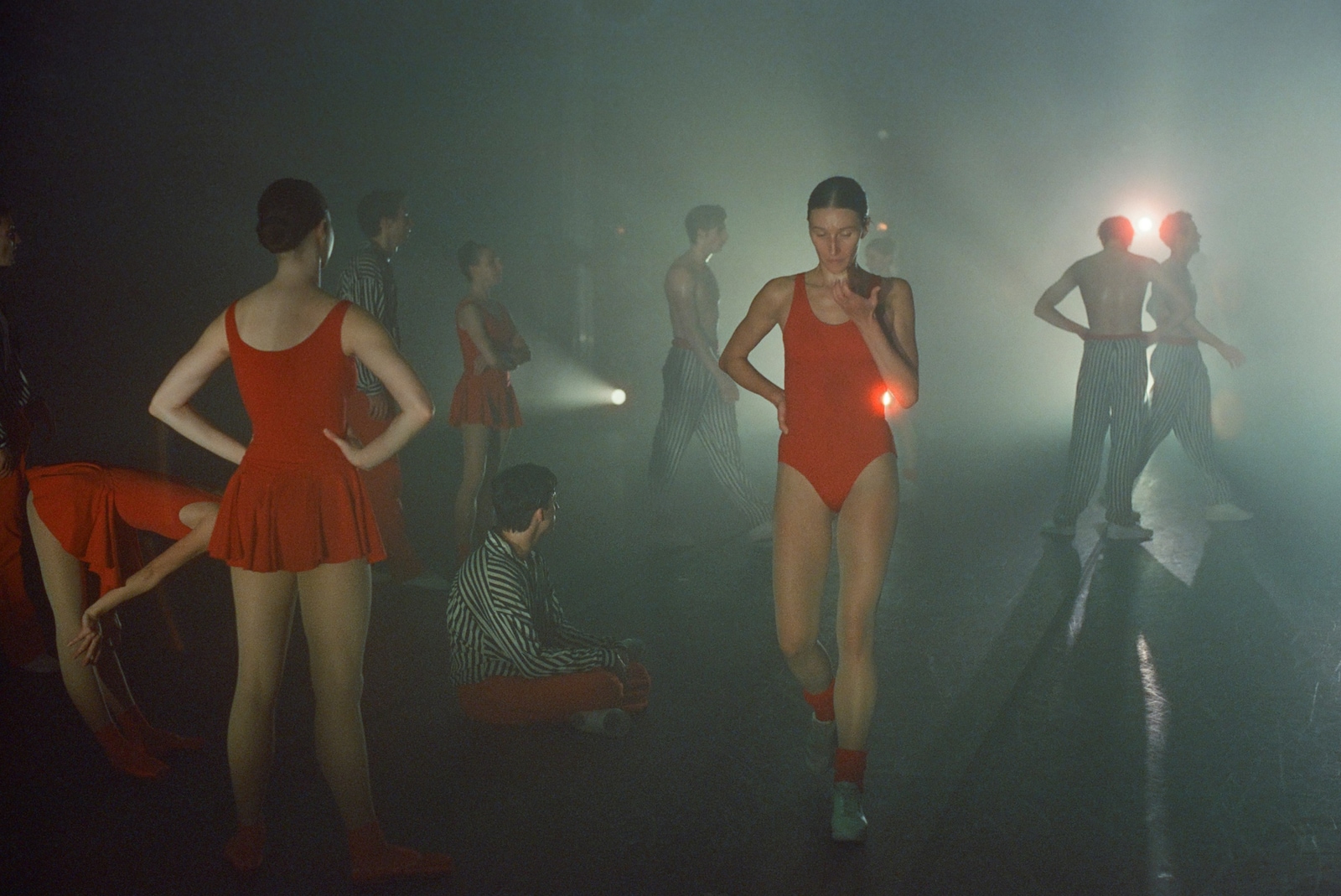
“So much of my job is to exist in other people’s visions, and so I think [photography] is a way to share my vision – and that is a very vulnerable thing to do” – Cassandra Trenary
Her knowledge of what she’s photographing, both as an insider at ABT and a dancer herself, guides her lens to less obvious details: the marks left on bodies after three hours in costumes, the hesitation of a dancer in a doorway that leads to the stage, hundreds of performances into a run of Swan Lake. Trenary’s approach is mirrored in the openness and naivety of her photographic technique, which, over the years, has evolved through experimentation.
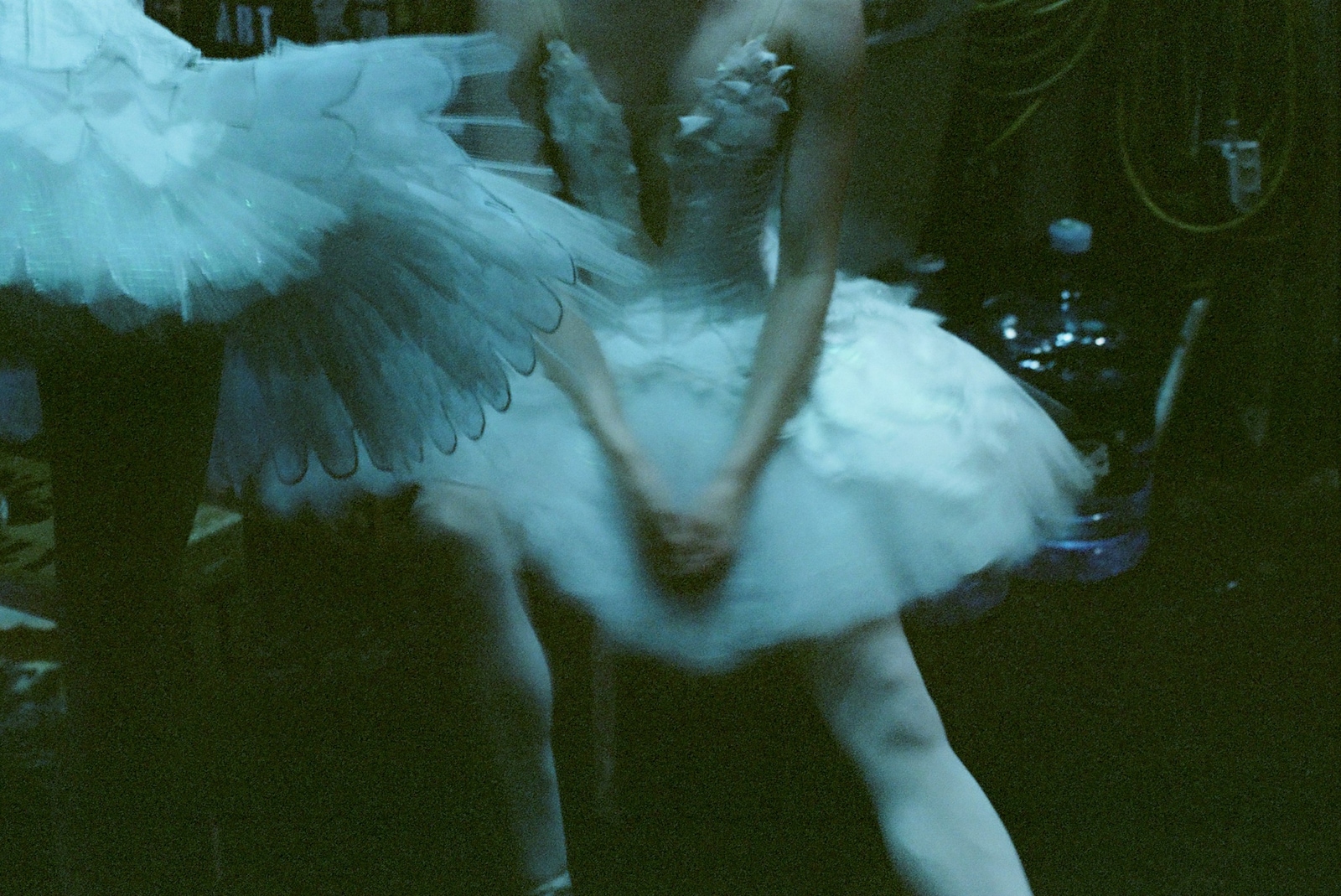
“They’re all a bit technically imperfect,” she says of her photographs. “There was a time when I was quite literally just experimenting and playing and seeing if this camera even works, and some of those portraits are some of my favourites. I was a soloist at the time and I had many, many hours to kill in the theatre.” More recent experiments have been with motion blur, and Trenary found herself drawn to the painterly feel it can create, particularly with colour film.

Learning something new has been incredibly liberating for Trenary. “Photography is such a relief and a joy to me,” she shares. “I don’t have to be perfect at it, so the feedback, whether positive or negative, I can take and use what feels right to me. But if someone dislikes my dancing, that’s tough to take,” she laughs. With creative bravery comes new vulnerability. No longer able to hide behind a character, Trenary is exposed. “So much of my job is to exist in other people’s visions, and so I think [photography] is a way to share my vision – and that is a very vulnerable thing to do.”
Trenary has found strength and inspiration in the work of photographers she admires. “They do it in such a profound way that feels generous,” she says of her favourites, Nan Goldin, Francesca Woodman, and Vivian Maier – all photographers whose incredibly intimate work was created for creation’s sake, rather than with an audience in mind.

American Ballet Theatre and its dancers have been documented in myriad ways over the decades, notably by Magnum photographer Eve Arnold for John Fraser’s 1988 book on Baryshnikov’s era, or the numerous portraits – including of Trenary – shot by leading fashion and portrait photographers. However, the intimacy and intuitive understanding in Trenary’s work has more in common with Goldin’s documentation of her friends in their homes and Woodman’s vulnerable self-exploration – and feels perfectly contemporary in a photography landscape that values the lived experiences those behind the camera bring to the image-making process.
As she prepares to move to Vienna to take on her role as principal at the Vienna State Opera, Trenary is curious about how photography will shape that experience. “Entering a new company, I’m going to have to get to know everybody. And I’m curious about how bringing my camera into this space will inform the way I capture people, not being as close to them. Or even just a new city.” Her camera will be both a conduit for connection, and a tool for documenting her next chapter.
